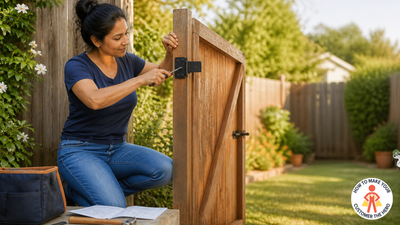
Show How the Work Gets Done and Make Invisible Value Visible

1. Start Here
Customers usually see the result, not the preparation, judgment, or safeguards that make it possible. When those details stay invisible, people may not understand what to expect or why a particular step matters.- One real process, decision, or step.
- The customer goal it supports.
- Why the step matters.
- One useful detail or photo.
- A clear next step for someone considering a similar experience.
2. Observe & Capture
Observe
Look for a part of the work that:
- Customers frequently ask about or misunderstand.
- Prevents a problem, delay, mistake, or unpleasant surprise.
- Requires preparation, judgment, coordination, or care.
- Helps the customer feel more confident about what happens next.
Choose one step that makes an important difference, not your entire process.
Capture
Preserve the details before they disappear:
- What is the customer trying to accomplish?
- What usually happens before this step begins?
- What does your team do, check, prepare, or decide?
- Why is that action important to the customer or the result?
- What can you photograph without exposing private, unsafe, or proprietary information?
- What reaction or quote explains why it matters?
Useful questions include:
- What part of this work would surprise a customer?
- What do we check or prepare before they see the result?
- What problem does this step help prevent?
- What decision requires experience or judgment?
- What detail can we safely show in a photo?
Capture is not the finished story. It preserves the facts, words, images, and context that Recognition will make visible.
3. See an Example
Here is how one ordinary step can become a useful story. This is a composite example.
What you capture
The customer’s goal: A homeowner wants a new exterior door installed without unnecessary mess, damage, or disruption.
The step customers rarely see: Before removing the old door, the installer confirms the measurements and door swing, protects the nearby floor and furniture, checks the weather, and reviews how the opening will be secured during the work.
Why it matters: Preparation protects the customer’s home and reduces the chance of delays or unexpected problems after the old door is removed.
Useful photo: The protected work area before installation begins.
Customer reaction: “I did not realize how much was checked before the first tool came out.”
What you recognize and publish:
Suggested title: What Happens Before We Remove Your Old Door
The story: A successful door installation starts before the old door comes out. We confirm the measurements and door swing, protect the surrounding area, check the weather, and make sure the opening can remain secure. These steps protect the homeowner’s space and reduce surprises.
Why it matters: Showing the preparation helps customers understand what to expect and feel more confident before installation day.
The customer’s next step: Planning a door replacement? Ask what needs to be prepared before installation day and how your home will be protected during the work.
The same pattern works in many settings:
- Restaurant or Catering: Show how an allergy request is confirmed and communicated before service.
- Professional services: Show how information is reviewed before a recommendation or meeting
- Retail: Show how an employee checks compatibility before recommending a product.
4. Recognize & Amplify
Recognize
Turn the captured material into a short explanation of one meaningful step.
- Start with the customer’s goal or uncertainty.
- Name the step they may not normally see.
- Explain what happens and why it matters.
- Include one real detail, photo, or quote.
- Give the future customer a useful next step.
- What Happens Before [Service or Experience] Begins
- The Step That Helps Prevent [Problem or Uncertainty]
- What Customers Can Expect During [Part of the Process]
Amplify
- Share the website link when a customer asks how the process works.
- Include it in a relevant estimate, welcome email, or appointment reminder.
- Tag the recognized person or a relevant partner only with permission.
- Adapt the introduction for social media and link back to the complete story.
- Use Local Connections™ when the information is useful to the broader community.
5. Get Going

Show the Work Story Planner Worksheet →

👉 Request a Demo and we’ll show you how Locable can help you publish useful process stories and distribute them wherever your customers are looking.